
Shore Fires and Daymarks
Early coastal guidance relied on elevated fires, painted marks, and local knowledge passed between mariners.
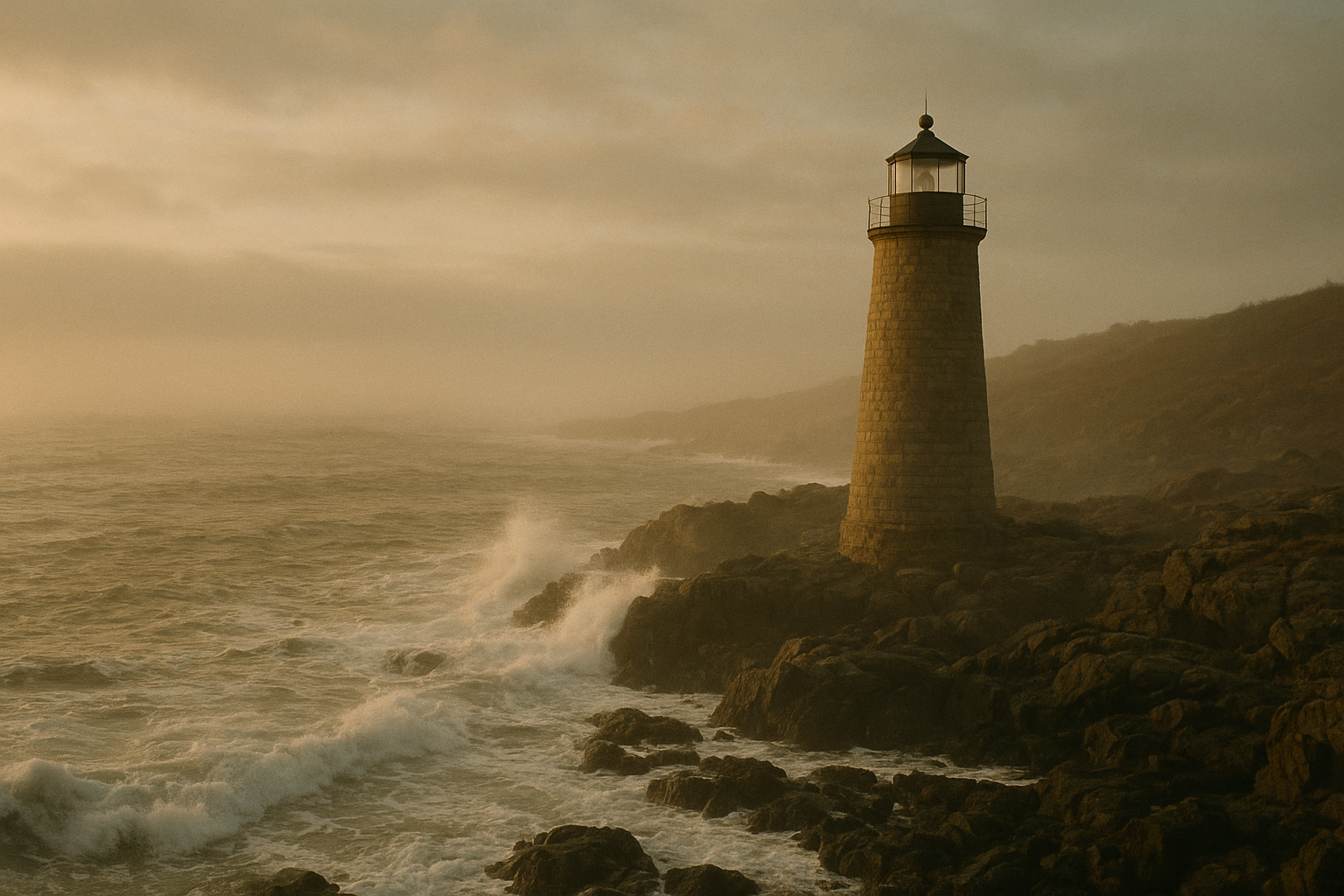
Discover the towers, keepers, and weathered shoreline corridors that guided ships through fog, tide, and winter dark.
History Timeline
Five archival eras trace how towers, lenses, and keepers shaped safer northern passages and coastal communities.
Before the Tower
Early coastal guidance relied on elevated fires, painted marks, and local knowledge passed between mariners.
The Masonry Age
Stone and brick towers gave dangerous headlands a durable signal visible in harsh northern weather.
Optical Change
Improved lenses concentrated lamplight into recognizable flashes, giving each station a distinct presence offshore.
The Keeper Era
Families maintained lamps, recorded weather, and kept machinery working through fog, ice, and isolation.
Preservation
Surviving towers now carry layered evidence of navigation, engineering, domestic life, and coastal change.
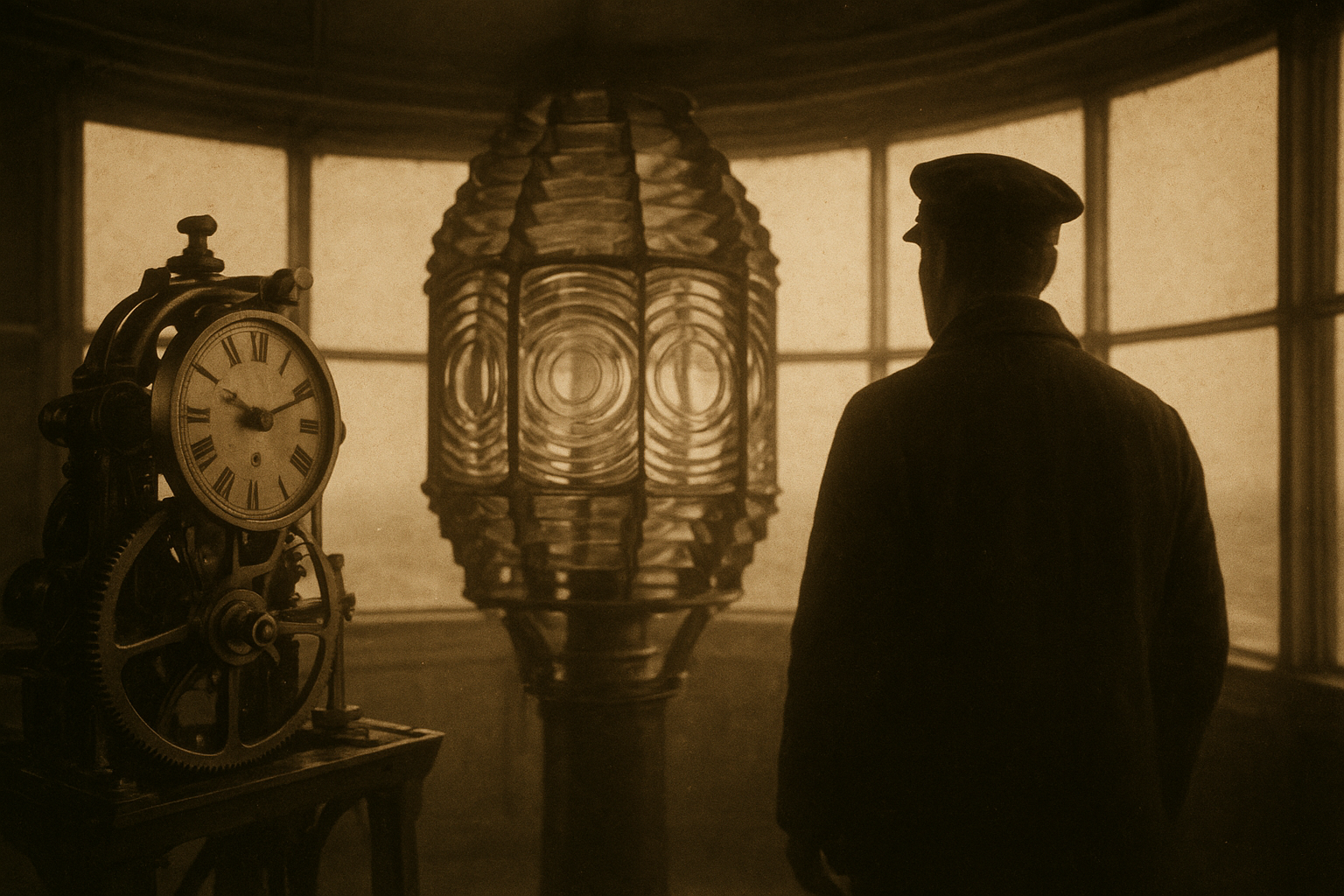
Keeper Accounts
These thematic accounts reflect recurring duties documented across keeper stations, not named personal testimony.
Night Watch
A thematic account of trimming the lamp, checking the flame, and listening for changes in wind and machinery while the household slept.
Winter Supply
A representative story of rationing fuel and provisions when ice, surf, and weeks of bad weather kept supply boats offshore.
The Lens Room
A close look at the patient routine of polishing glass, cleaning brass, and protecting the optical apparatus from soot and salt.
Mapped guide
An illustrative coastline orientation with six preserved tower records. Marker positions are thematic references, not verified geodetic coordinates.
Illustrative guide — consult local heritage records for formal research and access information.
Archive Gallery
Six preserved glimpses of weather, work, and watchfulness along the northern coast.
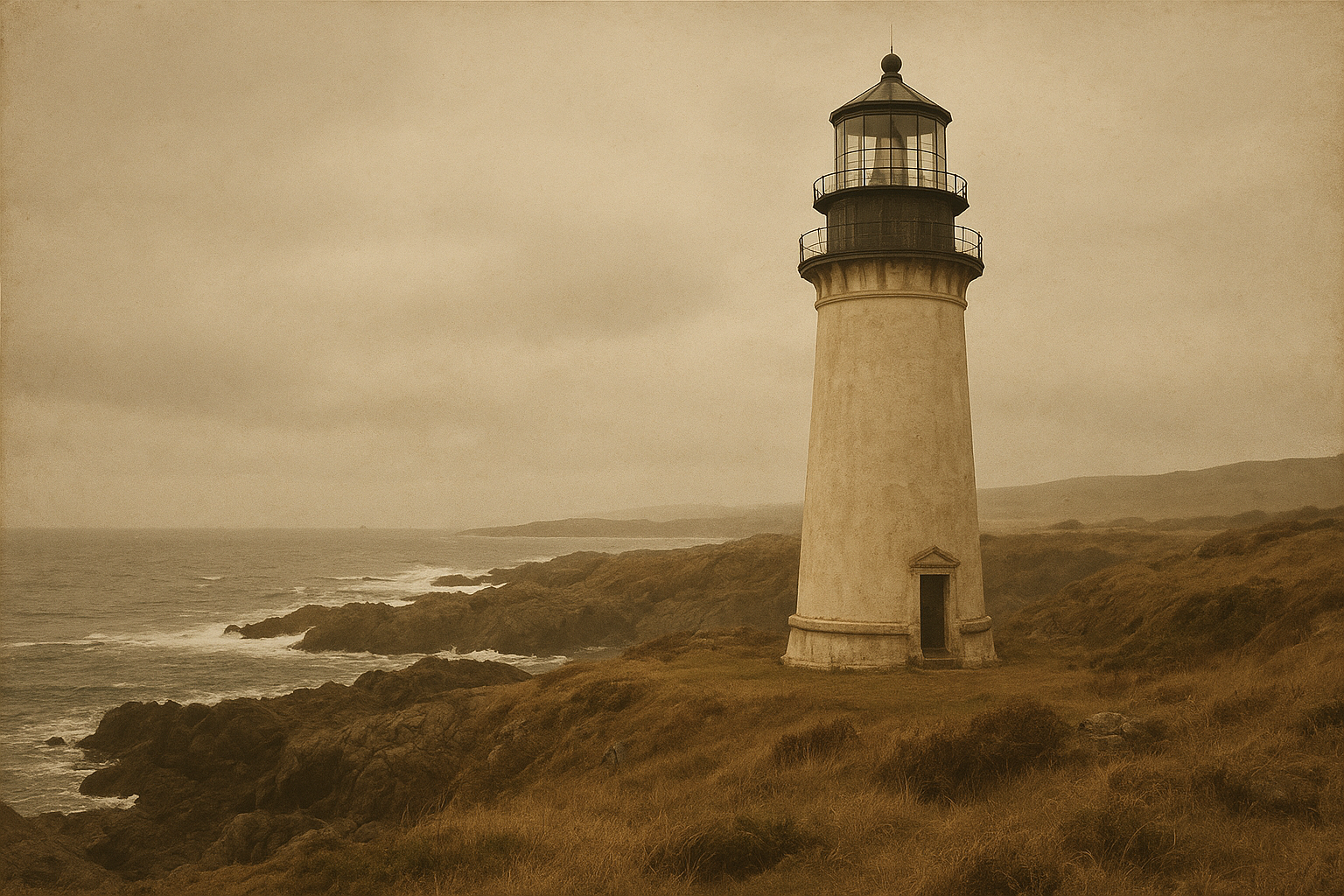
A tall coastal tower viewed from the weathered path approaching the station.
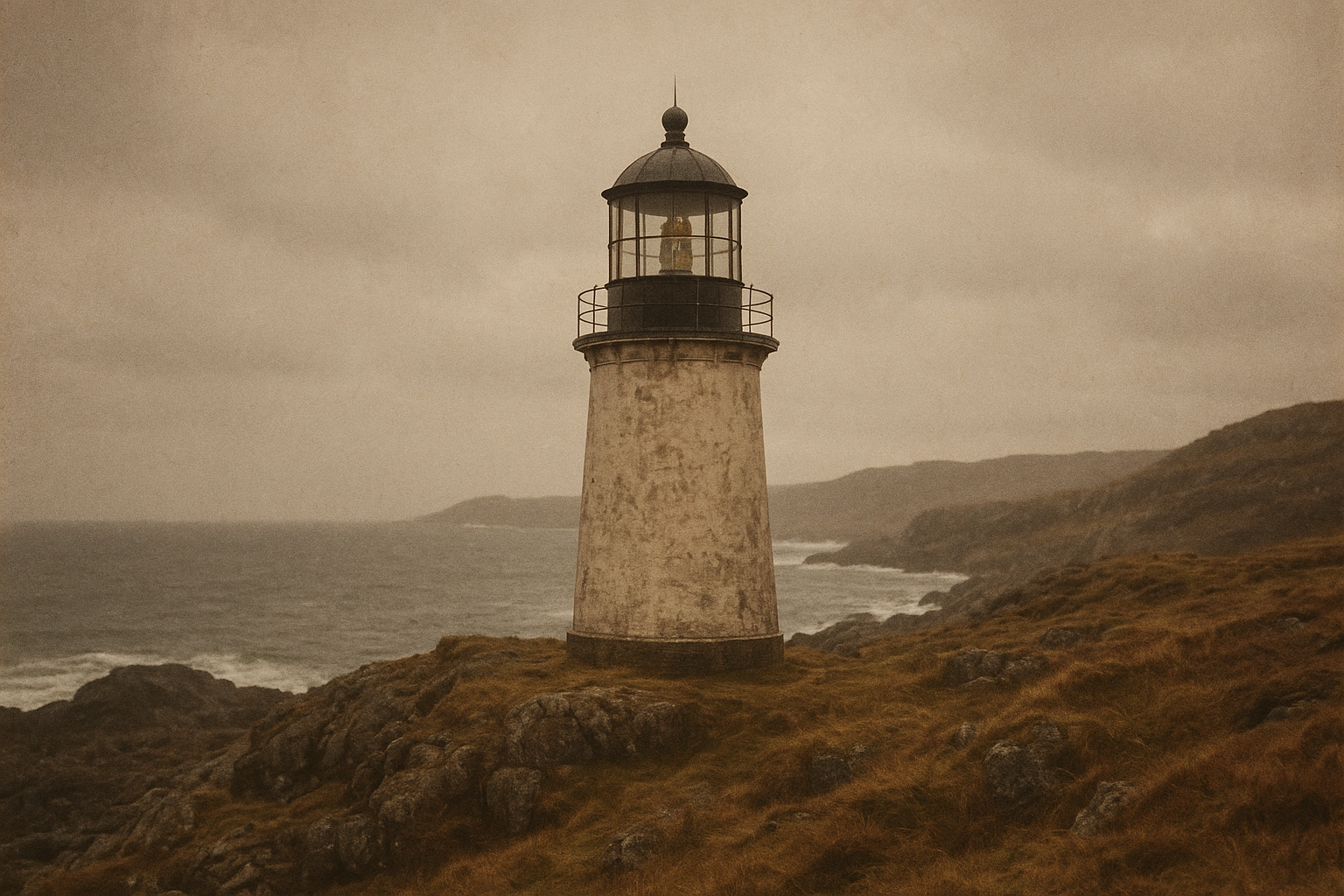
Glass, brass, and curved framing surrounding the heart of the working light.
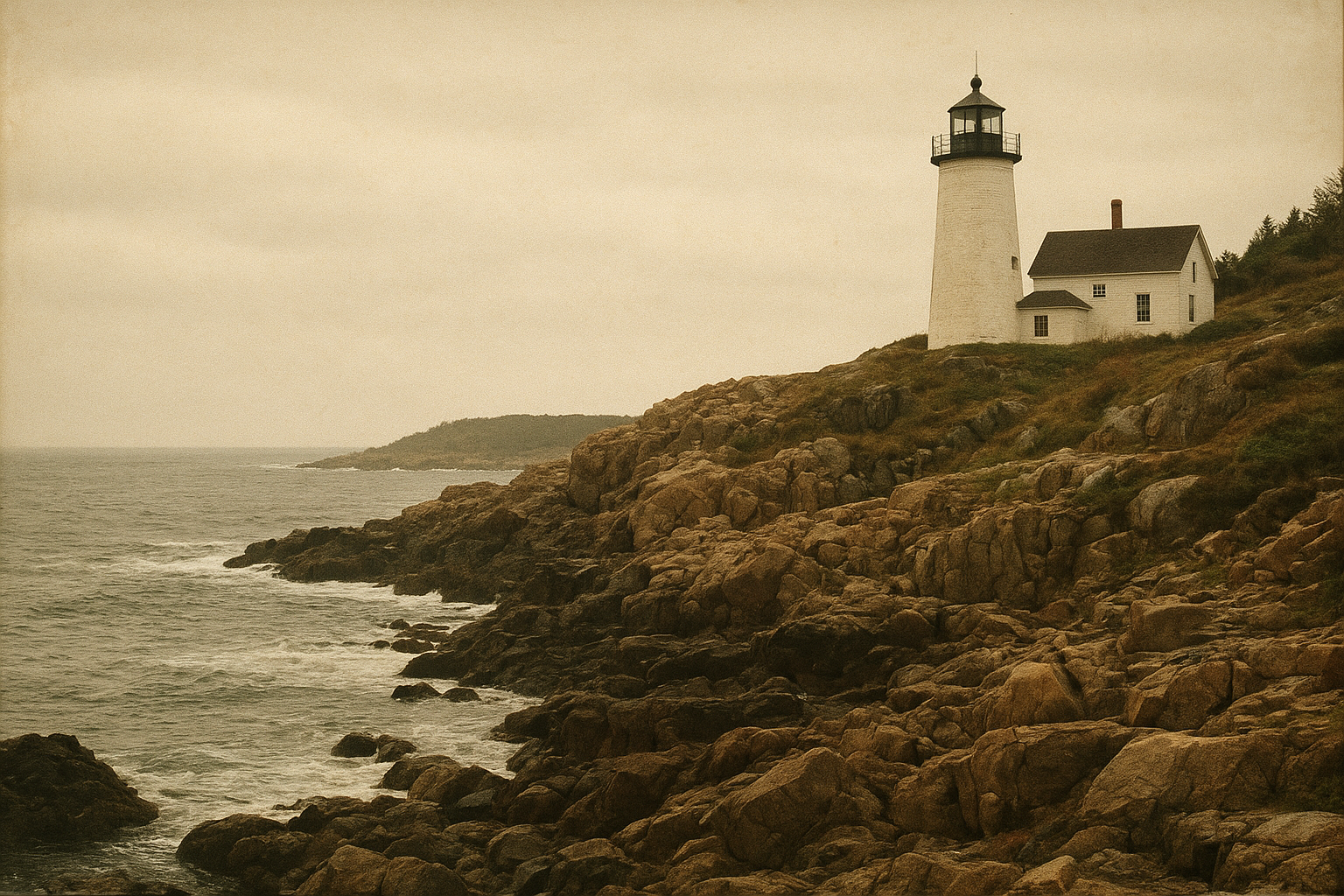
A difficult landing where sea conditions shaped every delivery and departure.
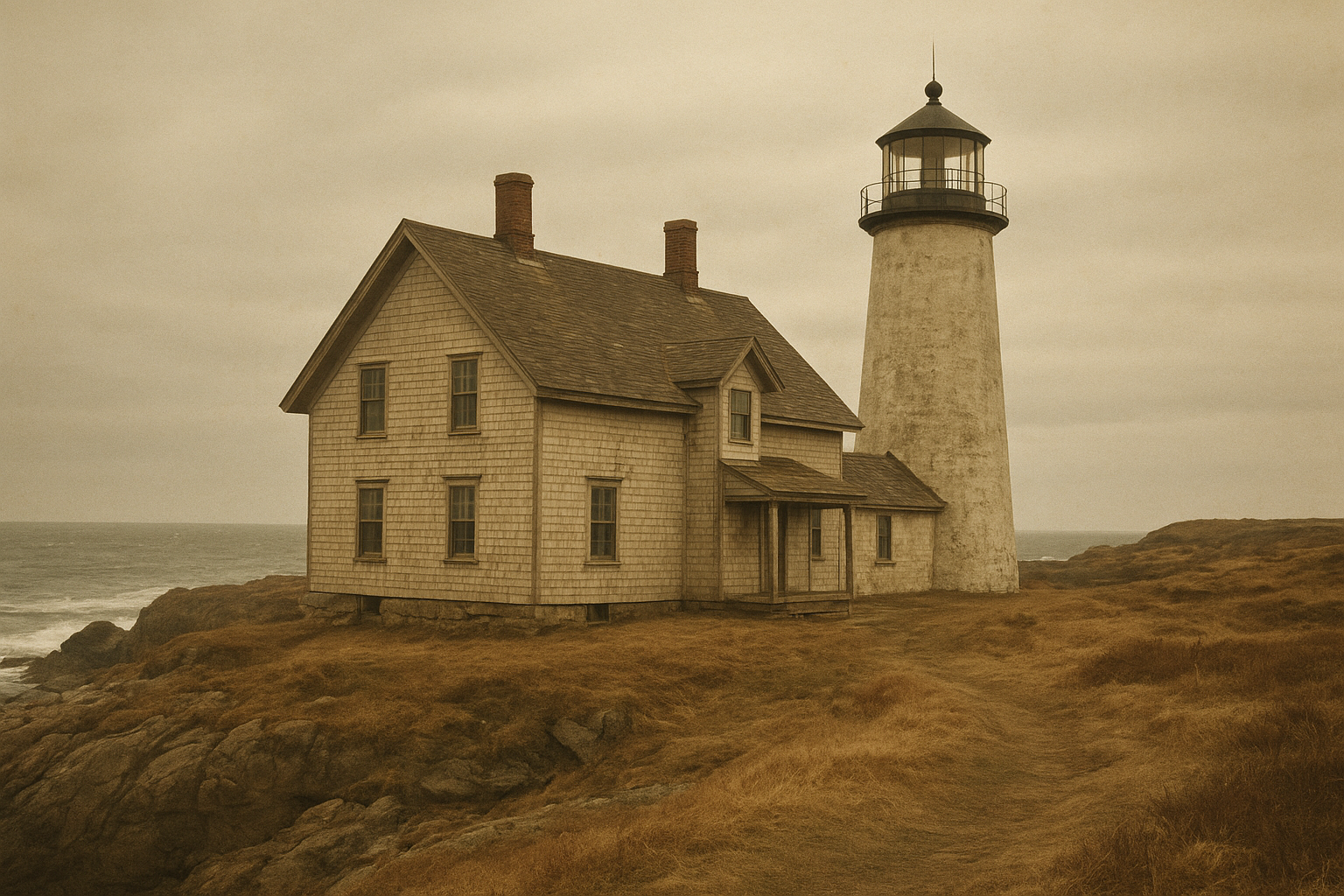
Domestic rooms standing close to the tower, where station life continued between watches.
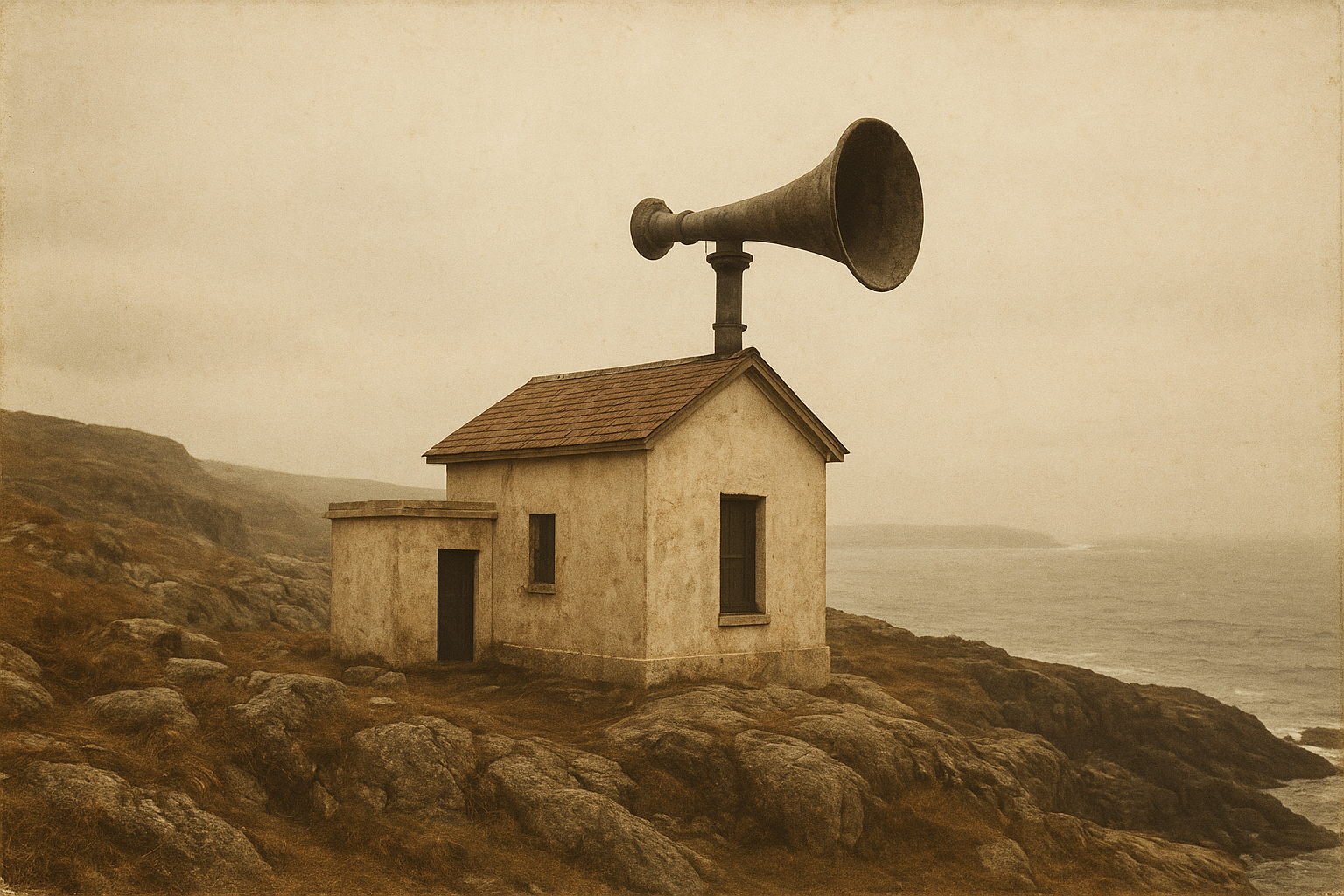
Mechanical equipment that carried warning through weather when the beam disappeared.
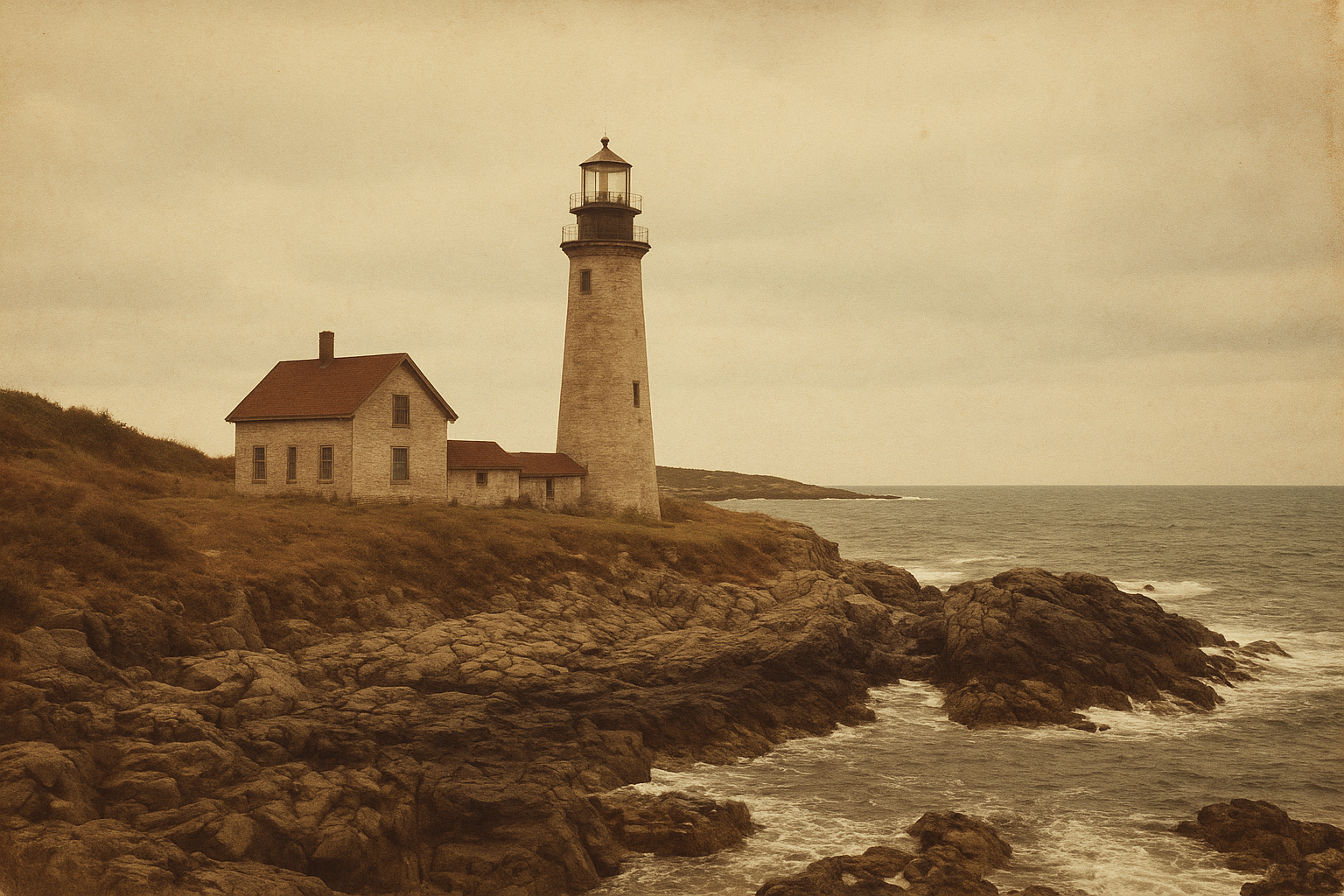
The long coastal horizon as seen from the station grounds.